 Economy 51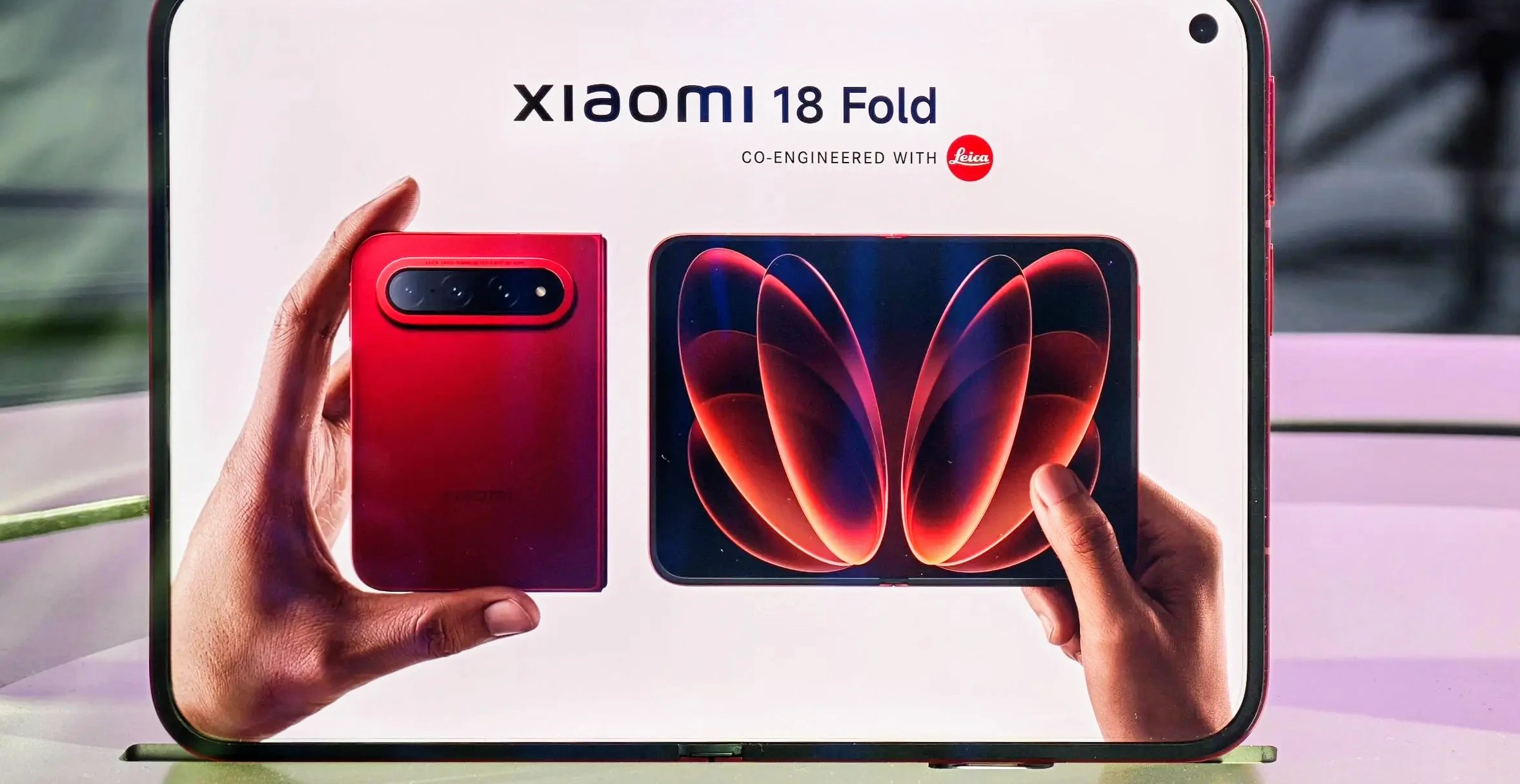
China is getting first crack at a British technology that might change how mobile games are made and played. Today, the Xiaomi 18 Fold launches in mainland China with an Arm Mali G2-Ultra NX graphics processor inside its custom Xring O3 chip. What’s so special about that?
After five years of development, Arm now has an AI gaming graphics accelerator inside its GPU. By following Nvidia’s playbook, Arm-powered phones are about to have PC-like technologies to make games run faster, at higher resolution, with advanced lighting techniques, all without using more power than they do today. The jagged edges you see in the mobile versions of popular games might begin to go away.
And these advancements won’t just be locked to Chinese phones. The chips, devices, and games are already inbound. Arm’s Chris Bergey, EVP of Edge AI, tells The Verge that these phones will be available next year, along with larger screen devices like tablets and Chromebooks.
While he can’t specify which other devices will contain the Mali G2-Ultra NX, he hints that some of Google’s upcoming devices might use this graphics tech. Arm claims a 85-percent performance increase over previous mobile GPUs and a 14 percent increase over its previous flagship in non-AI gaming. The new GPU enables a suite of hardware-accelerated graphical techniques similar to Nvidia’s DLSS, including AI upscaling, frame generation, and ray reconstruction.
These techniques, called ‘neural graphics,’ aim to boost framerate by up to four times when combined, reducing the need for traditional rendering. However, developers will need to integrate these features into their games, with support from engines like Unreal Engine and Unity. The first games to use these features include *Where Winds Meet*, *Infinity Nikki*, and *Arena Breakout: Infinite*.
Bergey notes that these features won’t arrive immediately; super sampling will be the first, followed by frame generation and denoising. With the Xiaomi Pad 9 Pro Max tablet, Arm’s GPU can deliver 3.2K resolution at 120 frames per second with minimal power consumption. The technology is not limited to premium devices; it will also be available in broader mobile segments.
Arm’s approach contrasts with competitors like Nvidia, AMD, and Intel, which use techniques like DLSS 4.5 and frame generation with associated latency costs. The goal is to make AI-driven rendering mainstream, improving battery life and performance across various devices.
Source: The Verge